
Blog
2025 Mid-Year Rental Market Update
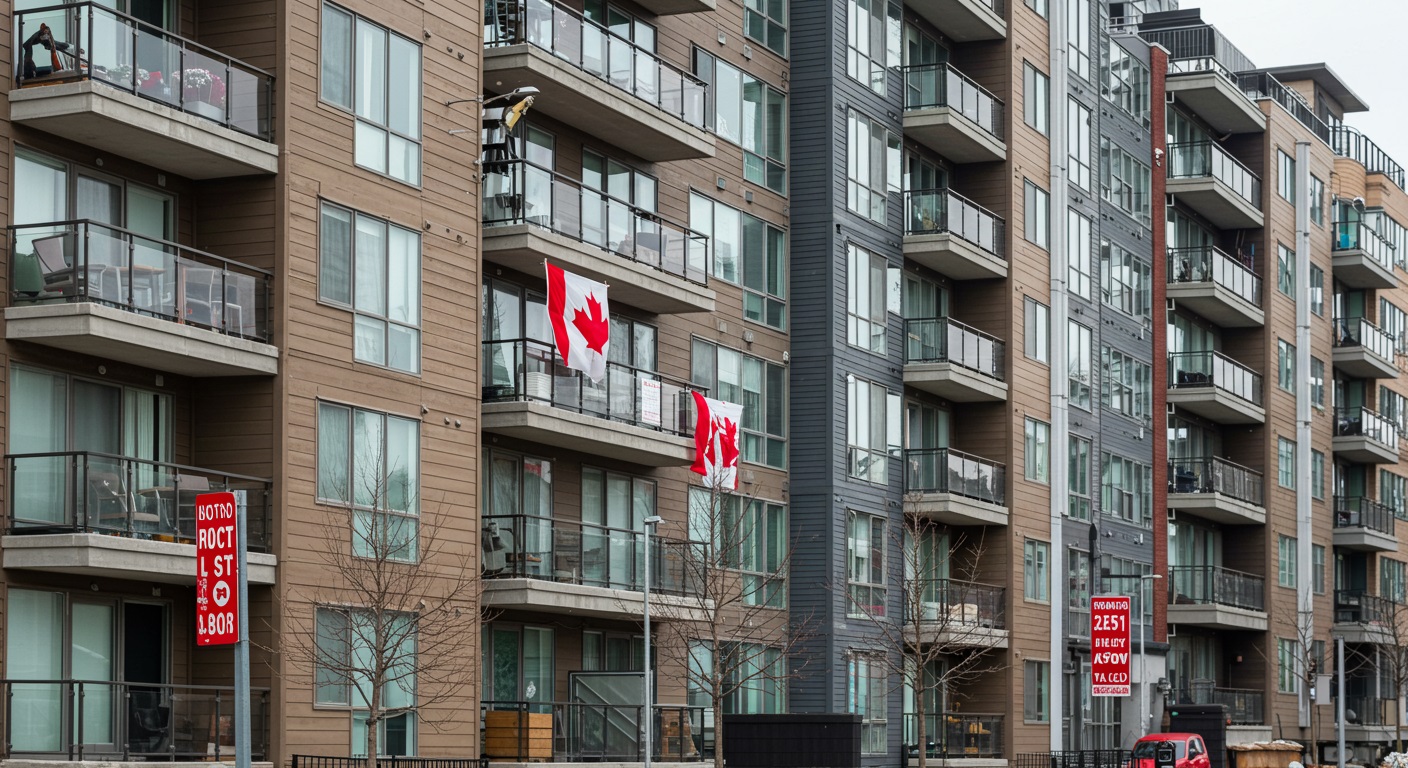
Canada’s rental market in 2025 continues to navigate a challenging environment shaped by strong demand, limited supply, and shifting economic conditions. As we reach the mid-year point, new trends are emerging that highlight both opportunities and ongoing pressures for renters, landlords, and policymakers across the country.
From sustained rent increases to evolving tenant preferences, here’s a detailed look at where the Canadian rental market stands halfway through 2025.
Rental Prices Continue Their Upward Climb
Despite modest economic cooling earlier in the year, rental prices across most large cities have continued to rise. Nationally, the average rent for a one-bedroom unit has increased between 4% and 7% since January, with two-bedroom units experiencing slightly higher growth.
Cities with the Highest Mid-Year Rents (2025)
1. Vancouver : Still the most expensive, with little relief for tenants
2. Toronto : Strong demand keeping prices elevated
3. Victoria & Burnaby : Smaller markets, big rental pressure
4. Calgary : Rapid population growth pushing rents higher
High immigration levels, interprovincial migration toward major hubs, and a lack of new purpose-built rental units have contributed to sustained upward pressure.
Vacancy Rates Remain Historically Low
Vacancy rates in 2025 remain near record lows, especially in Ontario, B.C., and parts of Alberta. Several factors are influencing this:
- Strong population growth driven by international students and newcomers
- Slower-than-expected construction of new rental housing
- Affordability challenges in the ownership market, keeping more people renting longer
Even cities that saw slight relief in 2024 such as Winnipeg, Edmonton, and Halifax are tightening again as demand outpaces supply.
Tenant Behaviour Is Changing
Economic uncertainty and higher living costs have shifted renter behaviour across the country:
1. Roommate Arrangements Are Increasing
More Canadians, especially young professionals, are choosing shared housing to manage rising rental costs.
2. Suburban and Exurban Rentals Are Gaining Popularity
Areas outside major metros such as Hamilton, Langley, Airdrie, and Moncton are seeing stronger rental demand due to lower prices and improved transit links.
3. Longer Lease Terms Are Becoming More Common
Renters are locking in multi-year leases to guard against future rent hikes, while landlords appreciate the stability.
Purpose-Built Rentals Are Growing But Not Fast Enough
Developers continue to respond to Canada’s housing crunch by constructing more purpose built rental buildings. However:
- Construction costs remain high
- Labour shortages persist
- Financing conditions, although improving after recent rate cuts, remain tight
As a result, completions have not kept pace with demand. Industry analysts estimate Canada needs at least 3.5 million new homes by 2030 to restore affordability a target increasingly difficult to meet.
Short-Term Rentals Under Greater Scrutiny
Municipal and provincial governments have intensified their focus on regulating platforms like Airbnb and VRBO. In 2025, several cities expanded restrictions to free up more units for long-term renters:
- Toronto and Montreal have tightened enforcement of primary-residence rules
- Vancouver introduced new fines and licensing requirements
- Nova Scotia applied new provincial limits to short-term rental operations
Early signs suggest these measures are slowly returning units to the long-term market, though the impact remains modest.
What to Expect in the Second Half of 2025
Looking ahead, analysts predict a rental environment that remains competitive but may see slight moderation in price growth if borrowing costs continue to fall and new supply progresses.
Key predictions:
- Rent increases may slow but not decline
- Demand in smaller cities will continue rising
- Purpose-built rental development will remain strong but constrained
- New government policies could influence affordability efforts
- Economic stability will determine tenant turnover and vacancy rates
Conclusion
The 2025 mid-year rental market reflects a Canada still grappling with high demand, chronic supply shortages, and affordability challenges. While policy interventions, new construction, and easing interest rates offer glimmers of hope, significant pressure remains on renters nationwide.
For landlords and investors, the market continues to show strong returns. For tenants, the search for affordable housing remains competitive but shifting patterns and emerging suburban options offer new paths forward.