
Blog
Bank of Canada Cuts Interest Rate to 2.5% in First Drop Since March
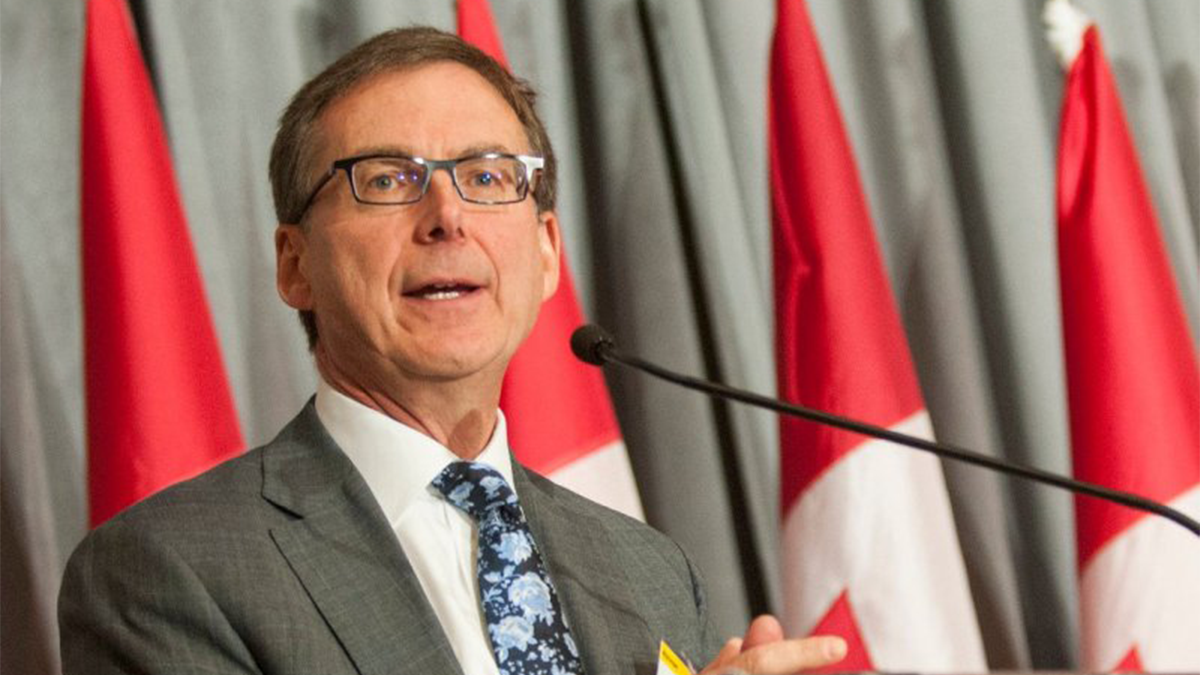
The Bank of Canada trimmed its key interest rate by 25 basis points on Wednesday, bringing it down to 2.5 per cent the central bank’s first rate cut since March and a signal of its attempt to stimulate a slowing economy.
Governor Tiff Macklem said the decision followed signs of easing inflationary pressure and a softening labour market. The federal government’s removal of retaliatory tariffs on U.S. goods has also reduced some “upside risk” to future inflation, he noted during a news conference in Ottawa.
“Considerable uncertainty remains,” Macklem said. “But with a weaker economy and less upside risk to inflation, Governing Council judged that a reduction in the policy rate was appropriate to better balance the risks going forward.”
Economic Conditions Behind the Rate Cut
Macklem explained that several developments since July contributed to the unanimous decision to lower the rate. Despite some stabilization, the ongoing U.S. trade war continues to weigh heavily on Canada’s economic outlook.
“The Canadian economy is being affected by both U.S. tariffs and the unpredictability of U.S. trade policy,” he said.
GDP shrank in the second quarter, as anticipated, and exports to the U.S. dropped after businesses initially stockpiled goods in response to American tariffs.
Some firms have also become more cautious with their investments. Jonathon Azzopardi, owner of Laval Tool in Tecumseh, Ont., said a single rate cut, while helpful, is unlikely to dramatically shift business decisions.
“It’s not going to make anybody jump out of their seat and start doing investments,” he told CBC News. “Let’s not fool ourselves that’s likely not going to happen.”
Macklem acknowledged that U.S. tariffs continue to exert a “profound effect” on Canada’s auto, steel and aluminum industries. Tariffs on copper and lumber, as well as Chinese duties on canola, pork, and seafood, are adding further strain.
Weak Job Market Adds Pressure
Canada has shed more than 100,000 jobs over the past two months, pushing the unemployment rate to 7.1 per cent. Beyond the hardest-hit, tariff-exposed sectors, other industries are also hiring less due to widespread economic uncertainty.
Consumer spending performed better than expected in the second quarter, but Macklem warned that weakening labour conditions could dampen household confidence moving forward.
Still, Macklem said the bank does not currently anticipate a recession so long as U.S. tariffs on Canada remain at their present levels. Any escalation, however, could change that outlook.
“There has been more stability in U.S. tariffs since July,” he said. “At least some of the near-term tariff uncertainty has declined.” As a result, the bank is taking a less forward-leaning stance than usual.
Economists Saw the Cut Coming
Most economists predicted Wednesday’s rate cut, especially after August’s subdued inflation report.
“It’s not a surprise. This was entirely anticipated and ultimately welcome,” said Eric Lascelles, chief economist at RBC Global Asset Management.
Lascelles noted that the Canadian economy has been “profoundly underperforming” since the onset of the trade war, and that monetary policy support is warranted. He expects additional rate cuts could follow before year-end, with more easing possible in the first half of 2026.
Inflation Showing Signs of Cooling
Canada’s overall inflation rate held at 1.9 per cent in August, close to the Bank of Canada’s 2 per cent target. Core inflation — which excludes volatile categories like gasoline has softened after sitting near the upper end of the bank’s 1-3 per cent target range.
“There is some more comfort that some of those upward pressures on underlying inflation are coming off,” Macklem said. Inflationary pressures appear “a little more contained,” but weak economic performance tipped the balance toward Wednesday’s cut.
“We don’t want Canadians to have to worry about big increases in the cost of living,” he added.
Looking Ahead
The Bank of Canada will deliver its next interest rate announcement on October 29.